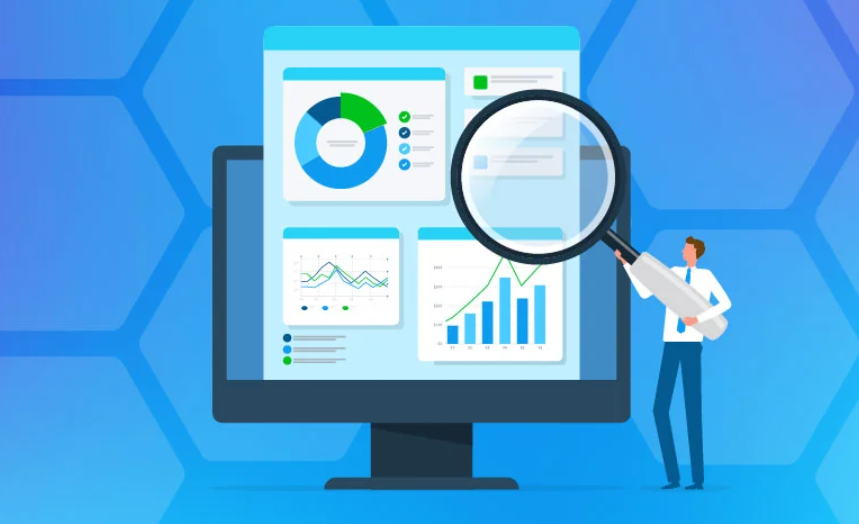
Many businesses promote themselves without knowing what actually works. To Advertise your business successfully, visibility alone is not enough; performance must be measured and improved over time. Advertising becomes powerful only when results guide decisions. Businesses that track outcomes grow more efficiently, avoid waste, and gain confidence in their strategy.
Why measurement matters
Advertising without measurement relies on assumptions. While activity may look productive, it does not always lead to meaningful outcomes. Measurement reveals whether promotion attracts real interest or simply consumes resources.
When results are visible, businesses gain direction. Direction improves focus and efficiency.
Defining success
Before measuring performance, success must be clearly defined. For some businesses, success means awareness, while for others it means inquiries or repeat customers.
Clear definitions prevent confusion. When goals are defined, progress becomes measurable and actionable.
See also: Understanding Technology: A Complete Overview for Beginners
Awareness indicators
Awareness indicators show how many people notice a business. These may include reach, visibility, or brand recognition. Awareness does not guarantee sales, but it creates opportunity.
Growing awareness increases the pool of potential customers. Opportunity supports long-term growth.
Engagement signals
Engagement shows how people interact with advertising. Time spent, responses, and interactions indicate interest. Engagement suggests relevance.
Higher engagement often means better alignment. Alignment improves future messaging.
Traffic analysis
Traffic analysis explains how people find a business. Understanding whether visitors come from search, referrals, or local exposure helps refine strategy.
Knowing traffic sources improves allocation. Effort shifts toward what works best.
Conversion focus
Conversions represent meaningful actions such as inquiries or visits. Tracking conversions connects advertising to real outcomes.
Without conversion tracking, success remains unclear. Outcomes matter more than exposure.
Customer journey insight
Customers rarely act immediately. They move through stages of awareness, consideration, and decision. Measuring each stage provides clarity.
Understanding the journey helps align messages. Alignment improves results.
Cost efficiency
Advertising involves cost, whether financial or time-based. Measuring cost against outcomes reveals efficiency.
Lower cost per outcome improves sustainability. Efficiency protects resources.
Channel comparison
Different channels produce different results. Measuring each channel separately highlights strengths and weaknesses.
Comparison guides improvement. Resources move toward effective channels.
Content performance
Not all messages perform equally. Measuring which topics or formats attract attention refines content strategy.
Strong content should be expanded. Weak content should be improved or replaced.
Testing improvements
Testing small changes reveals preferences. Variations in timing or messaging can produce insights.
Testing reduces risk. Learning supports improvement.
Consistency in tracking
Consistent tracking ensures reliable data. Changing metrics frequently obscures trends.
Stability improves understanding. Understanding supports confidence.
Tools for measurement
Analytics tools simplify tracking. Dashboards and reports organize data clearly.
Tools save time. Simplicity improves focus.
Interpreting data
Data must be interpreted carefully. Isolated numbers can mislead without context.
Trends matter more than single results. Perspective improves decisions.
Avoiding vanity metrics
Some metrics look impressive but lack impact. High visibility without action does not support growth.
Meaningful metrics guide strategy. Appearances can mislead.
Customer feedback
Feedback complements data. Reviews and comments reveal perception and expectations.
Listening improves relevance. Insight supports alignment.
Aligning with goals
Measurement should reflect business goals. Tracking unrelated data creates distraction.
Alignment maintains focus. Focus improves outcomes.
Short-term vs long-term impact
Some advertising works slowly. Measuring only short-term results can undervalue long-term strategies.
Balancing timelines improves evaluation. Patience supports sustainability.
Strategy adjustment
Measurement enables refinement. Underperforming efforts can be adjusted or stopped.
Flexibility prevents stagnation. Improvement supports growth.
Learning culture
Businesses that treat advertising as a learning process adapt faster. Mistakes become lessons.
Learning builds resilience. Growth becomes continuous.
Team clarity
Sharing results aligns teams. Everyone understands priorities and impact.
Clarity improves execution. Alignment strengthens results.
Budget optimization
Measurement improves budget allocation. Spending moves toward high-performing efforts.
Optimized budgets increase return. Efficiency supports stability.
Predictable planning
Reliable measurement creates predictability. Businesses can plan with greater confidence.
Predictability reduces stress. Confidence improves decisions.
Competitive insight
Performance data reveals competitive position. Declines or improvements become visible early.
Awareness supports response. Vigilance matters.
Ethical transparency
Transparent reporting builds internal and external trust. Honesty supports credibility.
Integrity protects reputation. Reputation supports longevity.
Avoiding overreaction
Not every fluctuation requires change. Measurement should guide thoughtful decisions, not panic.
Balance improves judgment. Calm analysis matters.
Seasonal patterns
Results often vary by season. Measurement reveals patterns that support better timing.
Timing improves efficiency. Awareness increases effectiveness.
Scaling decisions
Scaling should follow evidence. Measurement shows readiness.
Data supports confidence. Confidence supports growth.
Documentation value
Documenting results builds institutional knowledge. Past data informs future decisions.
Knowledge compounds over time. Memory improves strategy.
Continuous improvement
Improvement is ongoing. Measurement fuels refinement cycles.
Small gains accumulate. Consistency wins.
Avoiding assumptions
Assumptions weaken strategy. Measurement replaces guesses with evidence.
Evidence improves outcomes. Facts guide action.
Long-term value creation
Measurement builds long-term value. Insight compounds and strengthens decision-making.
Value grows with discipline. Patience pays off.
Strategic reflection
At this stage, many owners rethink how they Advertise your business and realize that tracking and refinement turn promotion into a repeatable system rather than a gamble.
Final thoughts
Advertising becomes powerful when guided by evidence rather than instinct alone. Measurement transforms promotion into a strategic advantage. Businesses that track, learn, and refine grow more confidently and efficiently.
Learning how to Advertise your business through careful measurement and continuous improvement helps reduce waste, sharpen focus, and build sustainable success over time.


 By
By