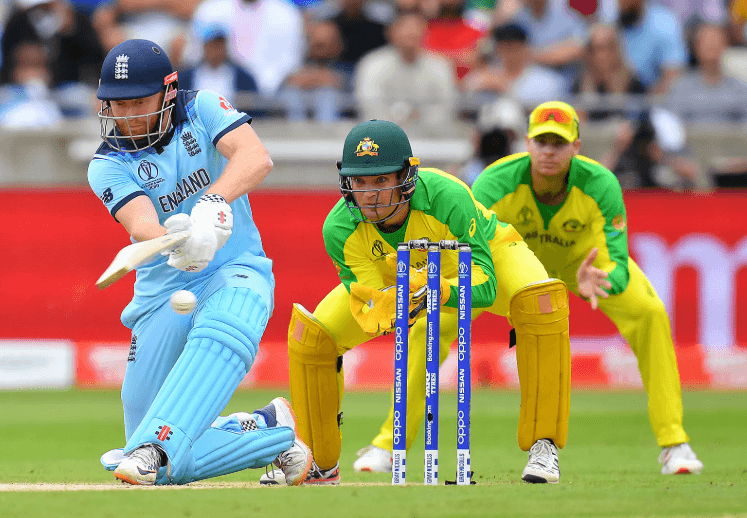
Runs and wickets are not the only aspects that give the essence of cricket. A scoreboard can record 38 for 1 after five overs but it cannot indicate if the batting side is at ease, if the new ball is spinning or if captain is already in the process of defending a weaker side. Often the numbers are read through the roles of the players in the match by the experienced fans. Who opens, who takes the new ball, who controls the middle overs, who keeps wickets, who finals with the temperament. The score is significant, but it can come as the result of a series of decisions based on the roles.
Roles Create the First Reading of a Match
The first real reading of a cricket match often starts with the playing XI. Before the scoreboard moves, fans can already sense the team’s plan. A pace-heavy attack may suggest bounce, speed, and early aggression. Two spinners can point to a slower pitch or a plan to control the middle overs. A longer batting lineup with all-rounders shows flexibility, although it may reduce specialist bowling depth.
Fans usually notice several details first:
- Openers show whether the team wants fast runs or a safer start.
- Captains reveal intent through batting order and bowling options.
- All-rounders give the side more ways to respond if the match shifts.
- A promoted batter may signal a planned matchup against pace or spin.
These role-based clues matter because the score alone can be misleading early on. A team may look calm, risky, balanced, or exposed before runs and wickets tell the full story.
How Live Viewers Connect Roles With Match Momentum
Many fans following live player changes through a desi cricket betting site also pay attention to batting order, bowling rotation, and fielding roles before reacting to the scoreboard. A match can look quiet on paper while one tactical move is already changing its direction.
A promoted batter is one example. When a hitter walks in earlier than expected, fans know the team may be trying to attack a specific bowler or protect a less comfortable player from a poor matchup. The scoreboard may still show a normal required rate, but the promotion can hint at urgency, confidence, or risk.
Strike bowlers create pressure even before taking wickets. A fast bowler beating the bat, forcing defensive shots, and drawing mistakes can tilt the mood of a match without immediate reward. Dot balls matter because they make the following delivery heavier. A batter who looked calm at the start of an over may suddenly chase a risky shot after three dots.
Wicketkeepers and fielders also influence tight moments. A clean keeper standing up to the stumps can stop batters from leaving the crease. A sharp inner-ring fielder can turn easy singles into hesitation. These details rarely dominate the scorecard, yet they affect how fans read control, pressure, and confidence in real time.
Powerplay, Middle Overs, and Death Overs Demand Different Players
There are different skills required in every phase of a cricket game. That’s why role awareness adds more clarity for the fans than just a score.
The powerplay is for openers and new-ball bowlers. Batters are restricted in fields, but also have movement fields, bounce fields, and attacking fields. Bowlers look for swing, the seam, or make mistakes on pace. A power play score of 45/0 is good on a difficult pitch. The same score can seem like a nothing special on a flat surface with short boundaries.
Middle overs are a different kettle of fish. Spinners and anchors are easier to see and so are all-rounders. A good spinner can also restrict the pace without getting wickets, as he can keep batters on low-value shots. While an anchor batter can help to stabilize the chase, they can also damage the team if the required pace increases too rapidly. All-rounders typically feature in the middle as they can be utilised for one of the following: stretch overs, rotate the positions of the three balls, and attack a particular bowler.
When death calls, relax. Finishing is about clean hitting but it’s also about shot selection. Yorker specialists will need to avoid pressure deliveries and be able to deliver under pressure when there is a possibility for every miss to reach the boundary. Rope players must have good hands and be fast decision makers. Hence, this is why fans do not take overs 17-20 as 7-10. One player can seem like just a plain Joe one day, and a big-time asset the next.
Star Names Matter, but Role Fit Matters More
Famous players attract attention for obvious reasons, but name value does not guarantee match impact. A top batter can look far less dangerous when used in the wrong position. Some players need time to build an innings. Others are built for immediate acceleration. Moving either type into the wrong slot can reduce their strengths.
Captains often protect or expose players through timing. A young batter may be held back until spin arrives. A left-hander may be sent early to disturb a leg-spinner’s angle. A bowler with weaker death-over skills may complete overs before the final phase. These choices tell fans how much trust the captain has in each player and where the team sees risk.
Substitutes and tactical changes add another layer. A replacement fielder with speed can save runs late in an innings. A tactical batting change can extend aggression during a chase. A bowling switch after one poor over can prevent a matchup from becoming too expensive. The scoreboard records the result, but the sharper reading comes from seeing why the change was made.
Smarter Watching Starts Before the Numbers
A thoughtfull cricket buff reads the role before responding to the score. People don’t ask “how many runs on the board” anymore, they ask “who’s doing the job that the match requires? Said intent can be shown early, through batting order, promoted hitters, delayed anchors, and left-right pairs. It’s also important what kinds of bowling matchups you face. A saved spinner or reserved death bowler can help to mould the final overs just before the pressure kicks in. With roles clear, yorkers, changes of field, keeping positions and finishing options are easier to comprehend. The score sheet records the events. The roles of players provide an account of what has happened and what might happen next.